

Latest Innovations in Multifunctional Automatic Cutters Grinding Machine Technology: Are You Ready to Transform Your Production Efficiency?
In the rapidly evolving landscape of modern manufacturing, the demand for precision, speed, and versatility has never been higher. As industries strive to maintain competitive edges, the machinery employed in production lines plays a pivotal role in determining overall output quality. Among these essential pieces of equipment, the Multifunctional Automatic Cutters Grinding Machine stands out as a cornerstone of operational excellence. Today, we delve deep into the technological strides being made in this sector and explore how these advancements are reshaping the future of industrial grinding.
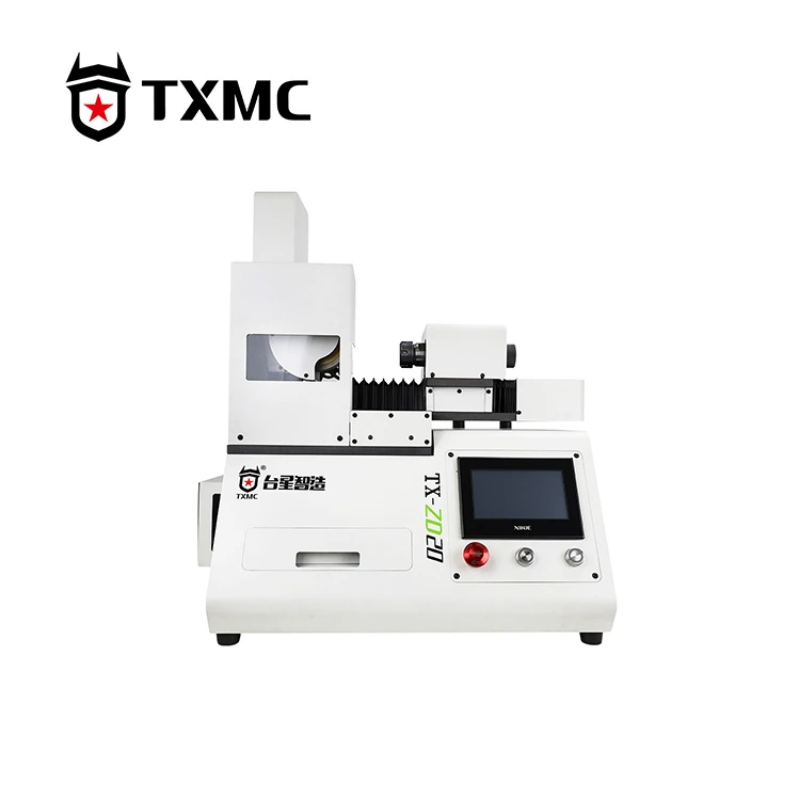
The Evolution of Grinding Technology in Modern Manufacturing
The journey from manual grinding processes to fully automated, multifunctional systems represents a significant leap in industrial engineering. Historically, tool maintenance was a bottleneck, requiring skilled labor and extensive time. However, the integration of computer numerical control (CNC) and artificial intelligence has redefined what is possible. The modern Multifunctional Automatic Cutters Grinding Machine is no longer just a maintenance tool; it is a proactive production asset that ensures tool longevity and consistency.
For industry leaders like TXMC, the focus has shifted towards creating systems that require minimal human intervention while maximizing output. By leveraging advanced sensor technology, these machines can now detect wear patterns in real-time and adjust grinding parameters autonomously. This evolution is driven by the need for unattended operation capabilities, allowing facilities to run continuously with minimal downtime.
Key Features Defining the Next Generation of Equipment
When evaluating the capabilities of contemporary grinding solutions, several features distinguish high-tier equipment from standard models. Understanding these characteristics is vital for engineers and plant managers aiming to upgrade their facilities.
Precision Engineering and Thermal Stability
One of the most critical aspects of grinding is thermal management. High-speed grinding generates immense heat, which can alter the metallurgy of the cutter if not controlled. The latest Multifunctional Automatic Cutters Grinding Machine models utilize advanced cooling systems and temperature-stable construction materials.
TXMC has pioneered the use of synthetic granite bases in some of its advanced designs, which offer superior vibration dampening compared to traditional cast iron. This stability ensures that even during heavy stock removal, the precision remains within microns. Furthermore, the integration of linear motors provides smoother movement than ball screws, eliminating backlash and ensuring high contour accuracy.
Versatility in Tool Handling
Gone are the days when a machine was dedicated to a single type of cutter. Modern demands require a system that can adapt to various geometries instantly. Whether dealing with standard end mills, complex drills, or specialized inserts, a Multifunctional Automatic Cutters Grinding Machine must switch between tasks seamlessly.
This versatility is achieved through modular tooling interfaces and sophisticated software libraries. For instance, TXMC systems come equipped with extensive databases of tool geometries, allowing operators to select a profile instantly. The automatic tool changers (ATC) further enhance this flexibility, managing different grinding wheels and gripping mechanisms without manual setup.
Technological Breakthroughs Enhancing Operational Workflow
The integration of digital technologies into physical machinery has created a new paradigm in the manufacturing sector. This Industry 4.0 revolution is particularly evident in the grinding domain.
IoT Connectivity and Data Analytics
Connectivity is no longer an option but a necessity. The latest generation of the Multifunctional Automatic Cutters Grinding Machine is equipped with IoT sensors that monitor every aspect of the grinding process. These machines collect data on wheel wear, spindle load, and cycle times.
By analyzing this data, facilities can predict maintenance needs before a breakdown occurs. TXMC has developed proprietary interfaces that allow these machines to communicate seamlessly with factory management systems (ERP/MES). This connectivity ensures that the grinding process is transparent and traceable, aligning with the rigorous standards of modern quality control protocols.
Advanced Software and Simulation
Software is the brain behind the brawn. Modern grinding machines rely heavily on CAM (Computer-Aided Manufacturing) software that allows for the simulation of the grinding process before it even begins. This virtual verification prevents collisions and ensures optimal grinding wheel utilization.
With the Multifunctional Automatic Cutters Grinding Machine, operators can visualize the tool path, identify interferences, and optimize the cycle time within a digital environment. TXMC emphasizes intuitive user interfaces (HMI) that lower the barrier to entry for operators, allowing even those with limited programming experience to set up complex jobs efficiently.
Comparative Analysis of Grinding Technologies
To better understand the impact of these innovations, it is helpful to compare traditional methods with the new standards set by multifunctional automatic systems. The following table highlights the distinct differences:
Technical Specifications and Capabilities
Understanding the raw capabilities of a machine is essential for determining its suitability for specific applications. While we avoid listing dry specifications in tables, exploring the technical prowess of the Multifunctional Automatic Cutters Grinding Machine reveals its capacity to handle demanding tasks.
The powertrain of these machines typically involves high-frequency spindles capable of reaching RPMs that ensure fine surface finishes. For example, TXMC integrates liquid-cooled spindles that maintain thermal equilibrium, ensuring that the heat generated during operation does not affect the machining accuracy.
The axis drive systems are equally impressive. With up to 6 simultaneous interpolating axes, the Multifunctional Automatic Cutters Grinding Machine can manipulate the grinding wheel around the tool with incredible dexterity. This multi-axis control is crucial for manufacturing tools with intricate geometries, such as variable helix end mills or taper form cutters. Furthermore, the rigid construction of the machine frame allows for high-pressure grinding without compromising structural integrity, enabling the removal of hard materials efficiently.
The workholding units are designed for high clamping force and repeatability. Whether using hydraulic chucks or collet systems, the grip remains firm throughout the grinding cycle. The TXMC approach focuses on minimizing changeover times between different tool holders, utilizing quick-change systems that lock into place with high precision. This capability is vital for facilities that process a diverse mix of tools in a single shift.
Industry Applications and Impact
The utility of a Multifunctional Automatic Cutters Grinding Machine spans across various sectors, each benefiting from the unique advantages it offers.
Aerospace and Aviation
In the aerospace industry, the materials used are often exotic and difficult to machine, such as titanium alloys and Inconel. Consequently, the cutting tools used must be in pristine condition. The Multifunctional Automatic Cutters Grinding Machine allows aerospace manufacturers to regrind these expensive tools to their original specifications, extending tool life significantly. The precision offered by TXMC machinery ensures that the strict tolerances required for aircraft components are consistently met.
Automotive and General Engineering
The automotive sector relies heavily on volume and consistency. High-speed machining centers require tools that can withstand long run times. Automatic grinding ensures that fleets of cutters are sharpened identically, reducing variation in the final product. The Multifunctional Automatic Cutters Grinding Machine facilitates this by storing grinding programs for hundreds of tool variants, allowing for rapid switching between different batches.
Medical and Micro-Machining
The medical device industry requires tools of microscopic precision. Drills for bone screws and milling cutters for dental implants demand absolute accuracy. The advanced motion control of a modern Multifunctional Automatic Cutters Grinding Machine enables the production of these micro-tools with high repeatability. TXMC has been instrumental in providing solutions that address the unique challenges of micro-machining, such as wheel grit selection and speed control.
Sustainability and Efficiency Considerations
Modern manufacturing is not just about output; it is also about sustainability. The Multifunctional Automatic Cutters Grinding Machine contributes to green manufacturing initiatives in several ways:
Reduction of Waste: By regrinding tools instead of discarding them, manufacturers significantly reduce metal waste.
Energy Efficiency: Newer models from TXMC are designed with energy consumption in mind, utilizing regenerative braking systems and standby modes to cut power usage.
Coolant Management: Advanced filtration systems recycle coolant, reducing the environmental impact and operational costs associated with disposal.
Common Challenges and Solutions in Automation
Transitioning to automated grinding solutions comes with its set of challenges. However, understanding these hurdles is the first step toward overcoming them.
Integration with Existing Workflow: Many facilities fear that new machinery won't fit into their current layout. However, the compact footprint of the modern Multifunctional Automatic Cutters Grinding Machine allows for easy integration.
Skill Gap: There is often a concern about the lack of skilled programmers. To counter this, TXMC offers user-friendly software that simplifies the programming process, often automating the calculation of grinding paths based on the tool parameters entered.
Maintenance Complexity: While the technology is advanced, maintenance has been simplified through modular components and remote diagnostics. Operators can receive support directly from manufacturers without needing extensive on-site troubleshooting knowledge.
Future Trends in Grinding Machinery
Looking ahead, the trajectory of the Multifunctional Automatic Cutters Grinding Machine points towards even greater autonomy and intelligence. We are seeing the emergence of AI-driven optimization where the machine "learns" the best grinding strategies for specific materials. TXMC is actively researching how machine learning algorithms can predict wheel life based on the hardness of the tool steel, further optimizing the grinding ratio.
Another trend is the move towards "grinding centers" that can perform other operations, such as polishing or measurement, all within the same setup. This consolidation of processes reduces handling and improves accuracy. The Multifunctional Automatic Cutters Grinding Machine is evolving into a complete tool management center, rather than just a grinding station.
FAQ:
Q: How does the integration of automation specifically improve the accuracy of a Multifunctional Automatic Cutters Grinding Machine?
A: The integration of automation removes the variables associated with human error, such as inconsistent manual wheel dressing or imprecise tool positioning; by utilizing high-precision servo motors and closed-loop feedback systems, a Multifunctional Automatic Cutters Grinding Machine ensures that every pass of the wheel is exactly where it needs to be, resulting in uniform tool geometry across entire batches.
Q: Can a modern Multifunctional Automatic Cutters Grinding Machine handle different tool materials without extensive setup changes?
A: Yes, modern systems are designed with adaptive control that adjusts spindle speed and feed rates based on the hardness and abrasiveness of the tool material; by utilizing automatic wheel changers and pre-programmed grinding parameters, a Multifunctional Automatic Cutters Grinding Machine can switch from grinding high-speed steel to carbide inserts seamlessly, ensuring optimal material removal rates for each specific substrate.
Q: What role does software play in the operational efficiency of a Multifunctional Automatic Cutters Grinding Machine?
A: Software acts as the central nervous system, managing complex kinematics and optimizing collision-free paths for the grinding wheel; advanced suites like those offered by TXMC allow for virtual simulation and 3D tool modeling, which means the Multifunctional Automatic Cutters Grinding Machine can execute complex relief angles and gash geometries with high precision, significantly reducing the time required for programming and setup.
Conclusion
The progression of grinding technology represents a critical component of modern industrial strategy. As the Multifunctional Automatic Cutters Grinding Machine continues to evolve, it brings with it opportunities for manufacturers to redefine their capabilities. With the expertise of companies like TXMC, the industry is witnessing a shift towards smarter, more efficient, and more sustainable production environments. Staying abreast of these innovations is essential for any operation looking to maintain a leadership position in the global market.